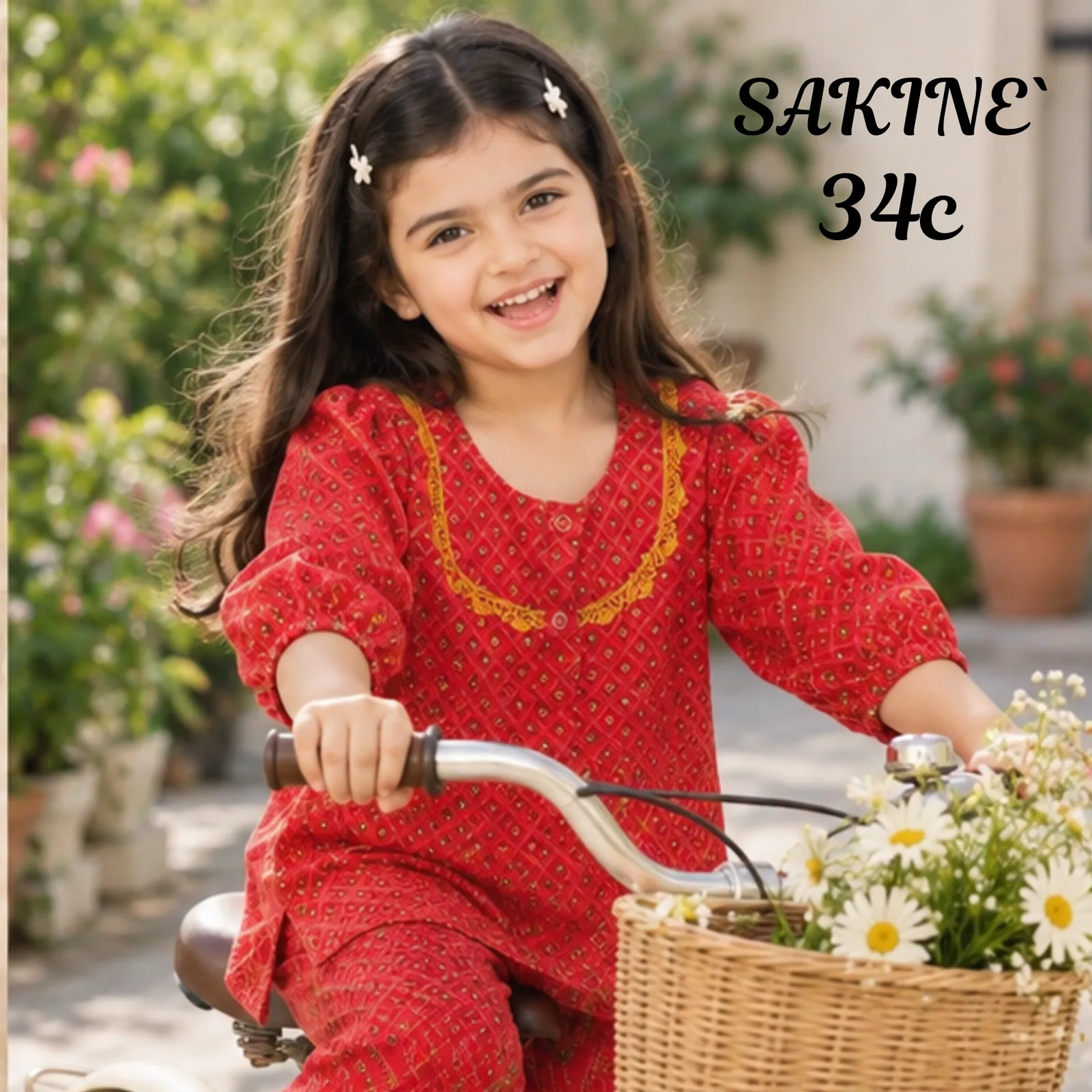
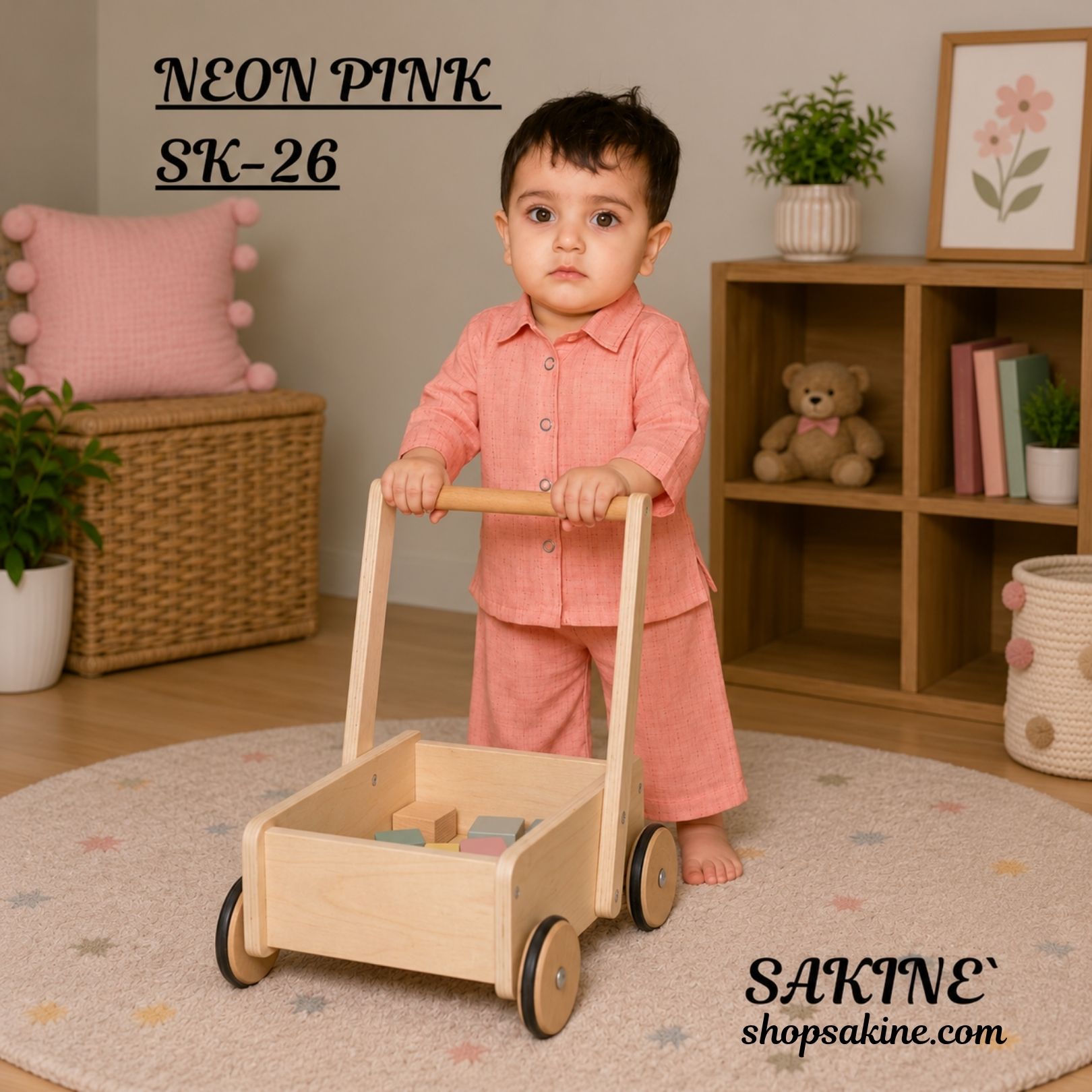
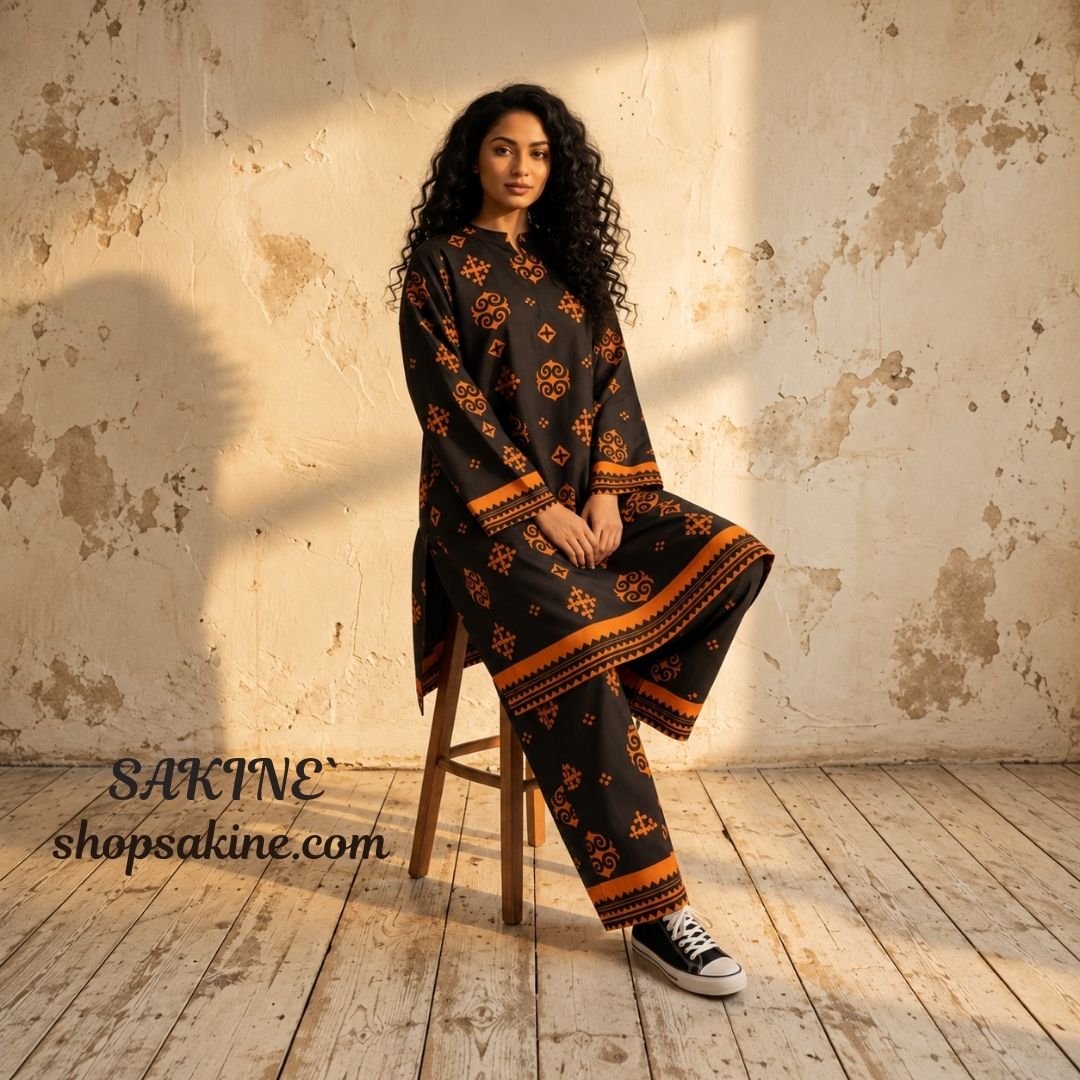
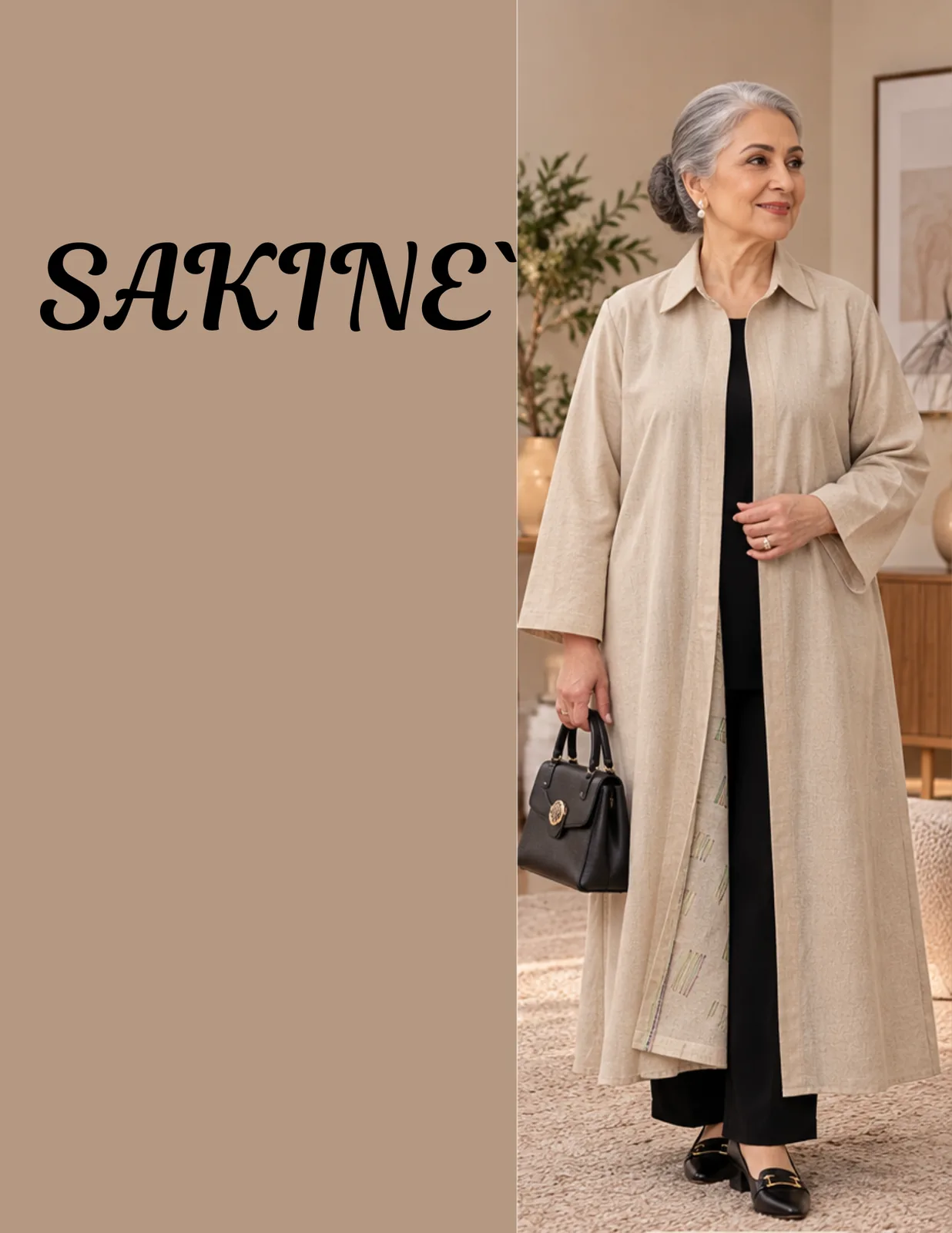
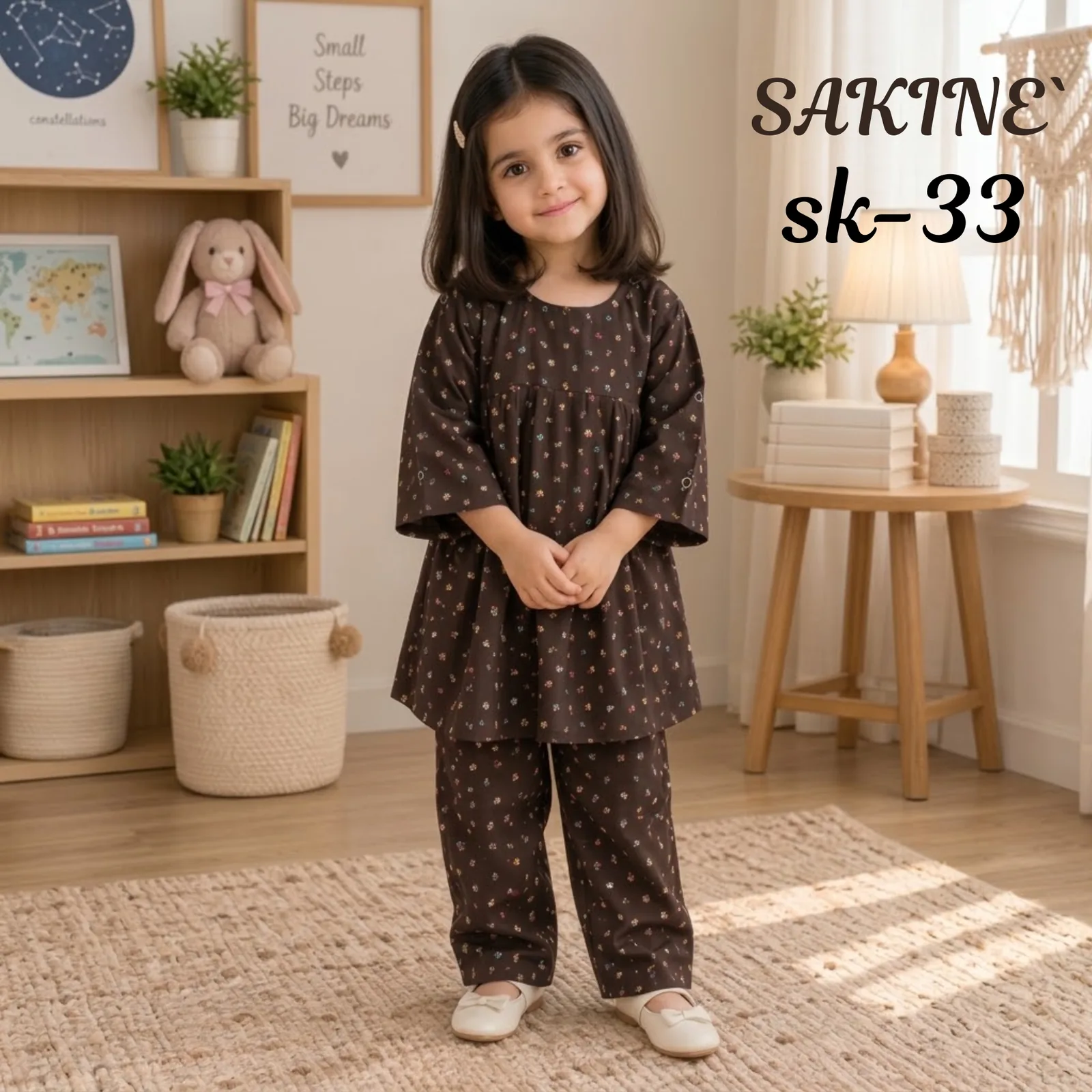
Children grow through everyday experiences: a kind conversation, a playful afternoon, a patient explanation and the reassurance that they are loved. Upbringing takes shape in these small moments, helping children develop confidence, independence and care for themselves and others.
Getting dressed is one of those daily moments. From choosing a favourite colour to learning how to fasten a button, clothing gives children opportunities to express themselves and practise useful skills. A thoughtful approach to dressing can support an upbringing centred on comfort, dignity and kindness.
A Loving Foundation for Everyday Life
Children need to feel valued for who they are. Their curiosity, effort, honesty and kindness deserve encouragement, regardless of what they wear.
Parents can make dressing a positive experience by offering gentle guidance and keeping expectations appropriate to the child’s age. Spilled food, muddy knees and an occasional mismatched outfit are natural parts of growing up. Responding patiently helps children learn to care for their belongings without becoming afraid of making mistakes.
A warm approach teaches a lasting lesson: looking after ourselves matters, and learning takes practice.
Comfortable Clothing Makes Room for Play
Play gives children opportunities to explore, imagine and discover what they can do. Their clothes should allow them to sit on the floor, bend, stretch, crawl and run comfortably.
A suitable fit is especially important. Tight waistbands, rough seams or restrictive sleeves can make an otherwise attractive outfit unpleasant to wear. Clothing that is excessively loose or too long can also get in the way.
When choosing an outfit, consider the child’s activities. A dress suitable for a family gathering may need to be changed before climbing or energetic playground play. Comfortable everyday clothing allows children to focus on enjoying themselves.
Choosing Fabrics with Care
Children may find certain textures uncomfortable even when adults barely notice them. Labels, decorative stitching, stiff fabric or scratchy embellishments can turn getting dressed into a daily struggle.
Soft fabrics and smooth finishes are useful starting points. Breathable materials, including suitable cotton fabrics, can feel comfortable in warm weather, although fabric weight, weave and fit also matter.
Listen when a child says something feels itchy, hot or uncomfortable. Taking their experience seriously helps them recognise and communicate their needs. Follow each garment’s care instructions and choose clothing appropriate to the weather.
Dressing as a Step Towards Independence
Learning to dress takes time. Pulling on trousers, finding the front of a shirt and fastening buttons involve several skills that develop gradually.
Parents can support this process by allowing a little extra time and offering manageable tasks. A younger child might put their arms through sleeves, while an older child may begin choosing and putting on a complete outfit.
Simple choices also help: “Would you like the blue shirt or the green one?” gives a child a meaningful decision within options suitable for the day.
Encourage the effort with specific words such as, “You kept trying and managed that button.” This makes progress feel rewarding.
Clothing and Personal Expression
Favourite colours, prints and familiar outfits can become part of how children express their preferences. A child may love a floral dress, a bright shirt or a comfortable pair of trousers simply because wearing it makes them happy.
Giving children some freedom to choose helps parents learn about their tastes. Adults can guide decisions about weather, fit and the occasion while leaving room for individuality.
Sometimes a child’s chosen combination will be unexpected. When it is comfortable and suitable for the activity, enjoying that choice together can make dressing a cheerful part of the day.
Building Confidence Beyond Appearance
Children benefit from hearing that their ideas, actions and efforts matter. Alongside saying, “You look lovely,” notice how they shared a toy, helped a sibling or tried something difficult.
Clothing can help a child feel comfortable and prepared, but confidence also grows from being listened to, learning new skills and feeling accepted.
Avoid comments that make children self-conscious about their bodies or compare them with others. Choose clothes that fit the child comfortably, and speak about size as a practical detail.
Teaching Cleanliness with Patience
Dressing routines offer simple opportunities to teach personal care. Children can gradually learn to change out of wet clothes, place used garments in a laundry basket and put clean clothing away.
Explain these habits in clear, friendly language. Keeping clothes clean helps them feel fresh and ready to wear again.
At the same time, leave room for messy learning. Painting, gardening and outdoor play often leave marks. Having clothes set aside for these activities helps children explore freely and makes clean-up easier for everyone.
Learning About Different Occasions
Children can learn that different activities call for different clothing. Comfortable playwear suits an active afternoon, while a family celebration may call for something more decorative.
Explain the reason behind the choice: shoes for walking outdoors, a warmer layer for cool weather or clothing that allows easy movement during games.
For special occasions, consider how long the child will wear the outfit. Check that they can sit, eat, move and use the toilet comfortably. A change of clothes can be helpful during longer events.
Respecting Privacy and Growing Independence
Dressing also provides opportunities to teach respect for personal boundaries. Offer age-appropriate privacy and explain what help you are providing when a child needs assistance.
As children become more capable, allow them to manage more of the routine themselves. Listen to their preferences about coverage and comfort, and guide them calmly according to your family’s values.
These everyday habits help children understand that their comfort and dignity deserve consideration.
Teaching Kindness Through Clothing Choices
Children notice differences in what people wear. Parents can use these moments to encourage kindness and respect.
Explain that families have different traditions, budgets and preferences. A person’s clothing does not tell us how kind, capable or deserving of friendship they are.
Caring for clothes, passing on outgrown pieces in good condition and repairing a favourite garment can also introduce children to thoughtful habits. These practices teach appreciation for belongings without placing pressure on children to keep everything perfect.
A Thoughtful Approach with Sakiné Kids
At Sakiné Kids, the idea of dressing children beautifully belongs alongside the practical needs of childhood. Attractive colours and charming details are most enjoyable when the outfit also suits the child’s size, preferences and activities.
When selecting a piece, review its fabric, measurements, care instructions and decorative details. Consider where your child will wear it and how easily they can move in it.
Explore children’s clothing at shopsakine.com and choose pieces that make room for play, comfort and growing independence.
Childhood is full of discoveries. With patient guidance and thoughtful clothing choices, getting dressed can become another small opportunity to help children feel capable, cared for and ready for their day.
Explore Sakiné Kids and discover lovely outfits for your little ones at shopsakine.com
Explore how everyday dressing can support children’s comfort, independence and self-expression, with gentle ideas for building positive routines at home.
Children’s Upbringing & the Importance of Comfortable Clothing
Discover how thoughtful clothing choices support children’s comfort, independence and self-expression while encouraging positive daily dressing habits.
children-upbringing-importance-of-dressing


 09Oct
 by