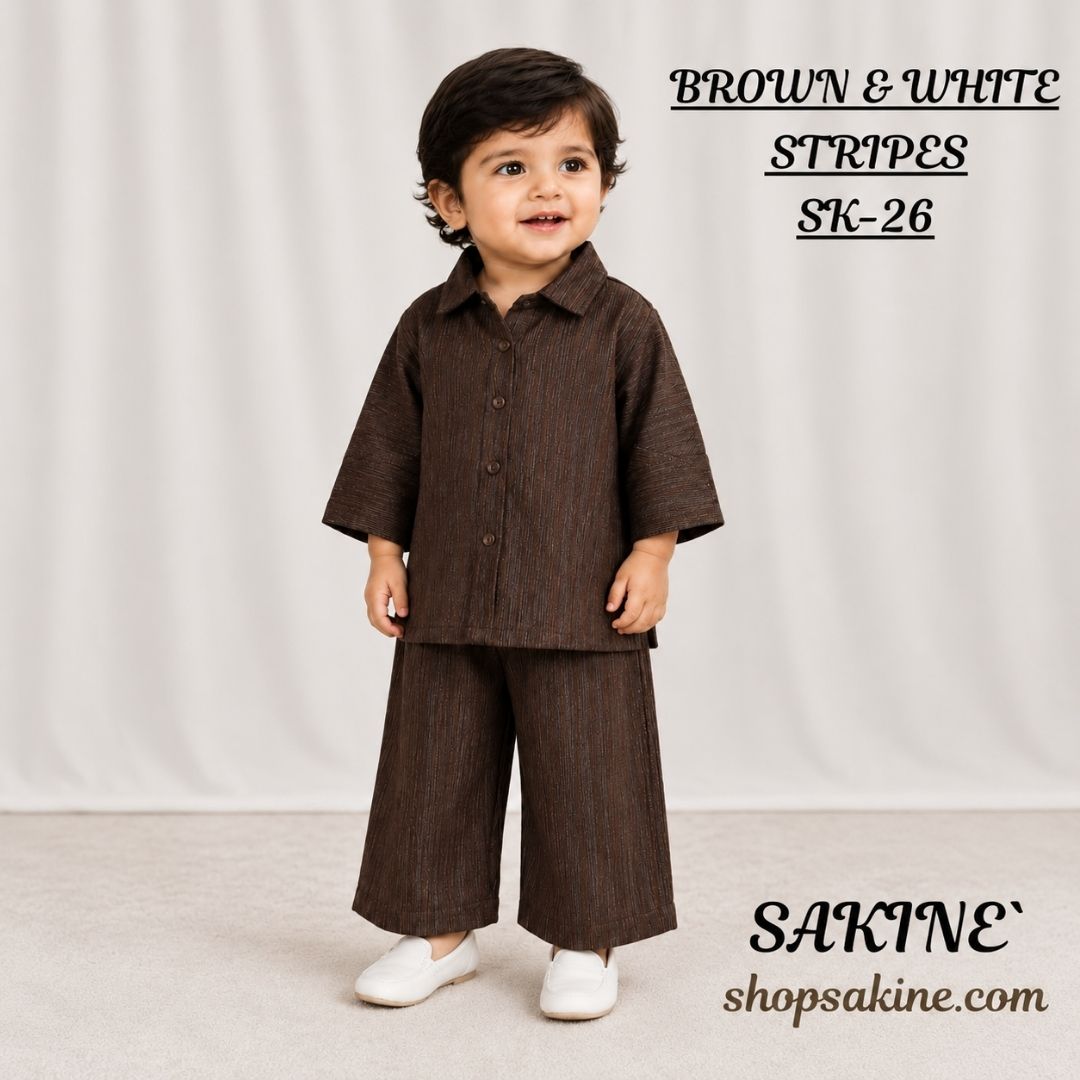
Children explore the world through movement and play. From a baby learning to crawl to a child running outdoors, their clothes should support those activities comfortably. Fabric, fit, cleanliness and suitability for the weather all deserve attention when choosing what children wear.
Clothing does not need to be expensive to serve a child well. Thoughtful choices can help protect their skin, prevent overheating and allow them to move freely throughout the day.
Choose Fabrics That Feel Comfortable Against the Skin
Children may find rough fabrics, stiff seams and scratchy labels uncomfortable. Choose garments with a pleasant texture and check the inside as carefully as the outside.
Breathable cotton can be a useful option for everyday clothing, especially in warm weather. However, comfort also depends on the fabric’s thickness, weave and fit. A heavy cotton garment may feel warmer than a lightweight alternative.
“Natural” or “organic” on a label does not guarantee that a garment will suit every child. Pay attention to how your child’s skin responds and whether the clothing feels comfortable during normal activities.
Dress Children for the Weather
Clothing helps children stay comfortable as temperatures change. In hot weather, lightweight garments with a relaxed fit allow better airflow. Avoid unnecessary layers, particularly when a child is active.
In cooler conditions, practical layers make it easier to adjust clothing when moving between outdoors and heated rooms. Check how your child feels during the day rather than dressing only according to the season.
For babies, keep the face and head uncovered during sleep and avoid excessive bedding or clothing that could cause overheating.
Give Them Room to Move
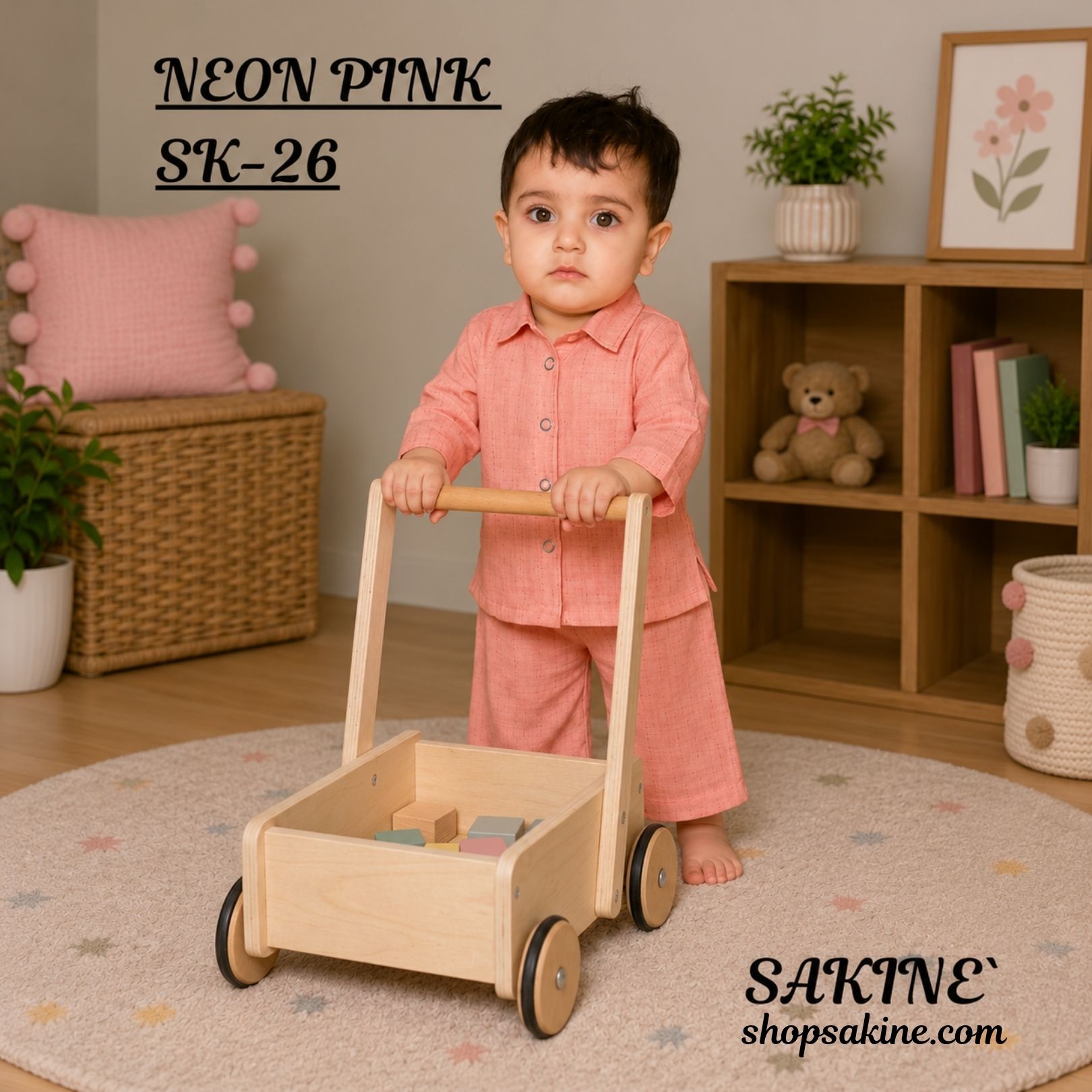
Children need space to crawl, stretch, climb and play. Clothes that pull at the shoulders, restrict the knees or press tightly around the waist can make movement uncomfortable.
Choose a suitable size with room for activity. Very oversized clothing can also cause problems: long hems may trip a child, and loose sleeves can catch on objects.
A good fit allows freedom of movement while keeping the garment securely in place.
Pay Attention to Clothing Safety
Small details matter, particularly for babies and younger children. Check that buttons and decorations are firmly attached, and avoid loose embellishments that could become choking hazards.
Avoid cords or drawstrings around the neck. Choose manageable garment lengths and inspect fastenings regularly for damage.
For sleepwear, choose clothing intended for sleeping and follow its safety and fit instructions. A loose daytime outfit is not automatically suitable for bedtime.
Keep Clothes Clean and Dry
Children’s clothing collects sweat, food spills and dirt during everyday activities. Change garments when they become wet or soiled, and allow washed clothes to dry fully before wearing or storing them.
Follow the care label and rinse laundry thoroughly. If your child’s skin reacts to a detergent or fragrance, consider a fragrance-free alternative and seek advice if irritation continues.
Clean clothing supports comfort, but children should still feel free to enjoy normal, messy play.
Consider Sensitive Skin
Some children find particular fabrics, seams or laundry products irritating. Notice whether discomfort appears where a waistband, label or sleeve touches the skin.
Soft garments and smooth finishes may help reduce rubbing. Wash new clothes before their first wear, following the care instructions.
Persistent itching, redness or a recurring rash needs professional advice. Changing clothing may improve comfort, but it does not replace treatment for a skin condition.
Make Dressing a Positive Experience
Clothing also plays a part in a child’s growing independence. Easy fastenings and simple designs can help children learn to dress themselves.
When possible, let them choose between a few suitable outfits. Their favourite colours and prints can make getting dressed enjoyable, while adults guide choices for fit, weather and safety.
Listen when a child says something feels scratchy, tight or too warm. Their comfort matters more than how an outfit looks in a photograph.
A Simple Check Before Buying
Before choosing children’s clothing, ask:
- Does the fabric feel comfortable inside and out?
- Is its weight suitable for the weather?
- Can my child move freely?
- Are the hems, fastenings and decorations safe?
- Is it practical to wash and care for?
At Sakiné Kids, we believe children’s style should leave room for childhood. Thoughtful clothing choices bring comfort, practicality and charm together, helping little ones enjoy their everyday adventures.
Sakiné Kids — Comfortably Charming.
Explore children’s clothing at shopsakine.com.


 09Oct
09Oct
 by
by