The Colours of Pakistan: Different Styles of Dressing Across Its Regions
Pakistan’s clothing tells a story of heritage, climate, craftsmanship, and personal expression. From embroidered dresses in Balochistan to colourful ensembles in Punjab, every region brings its own character to the country’s fashion.
The shalwar kameez connects communities across Pakistan, yet its shape, fabric, embroidery, and styling vary widely. These differences make Pakistani dressing wonderfully diverse. Traditional clothing also continues to evolve as women and men combine regional influences with contemporary styles.
Punjab: Colour, Celebration, and Everyday Grace
Punjabi dressing often celebrates colour and movement. Women’s traditional clothing includes shalwar kameez with dupattas, while different occasions may call for straight trousers, flowing shirts, or festive ensembles.
Phulkari, recognised for its colourful floral embroidery, holds a special place in Punjab’s textile heritage. An embroidered dupatta can bring character to a simple outfit and connect everyday dressing with traditional craftsmanship.
Men commonly wear shalwar kameez, sometimes paired with waistcoats or turbans for cultural and formal occasions. Khussa footwear adds another familiar traditional touch.
From practical daily clothing to richly decorated wedding outfits, Punjabi fashion offers many expressions of regional identity.
Sindh: Ajrak, Embroidery, and a Strong Cultural Identity
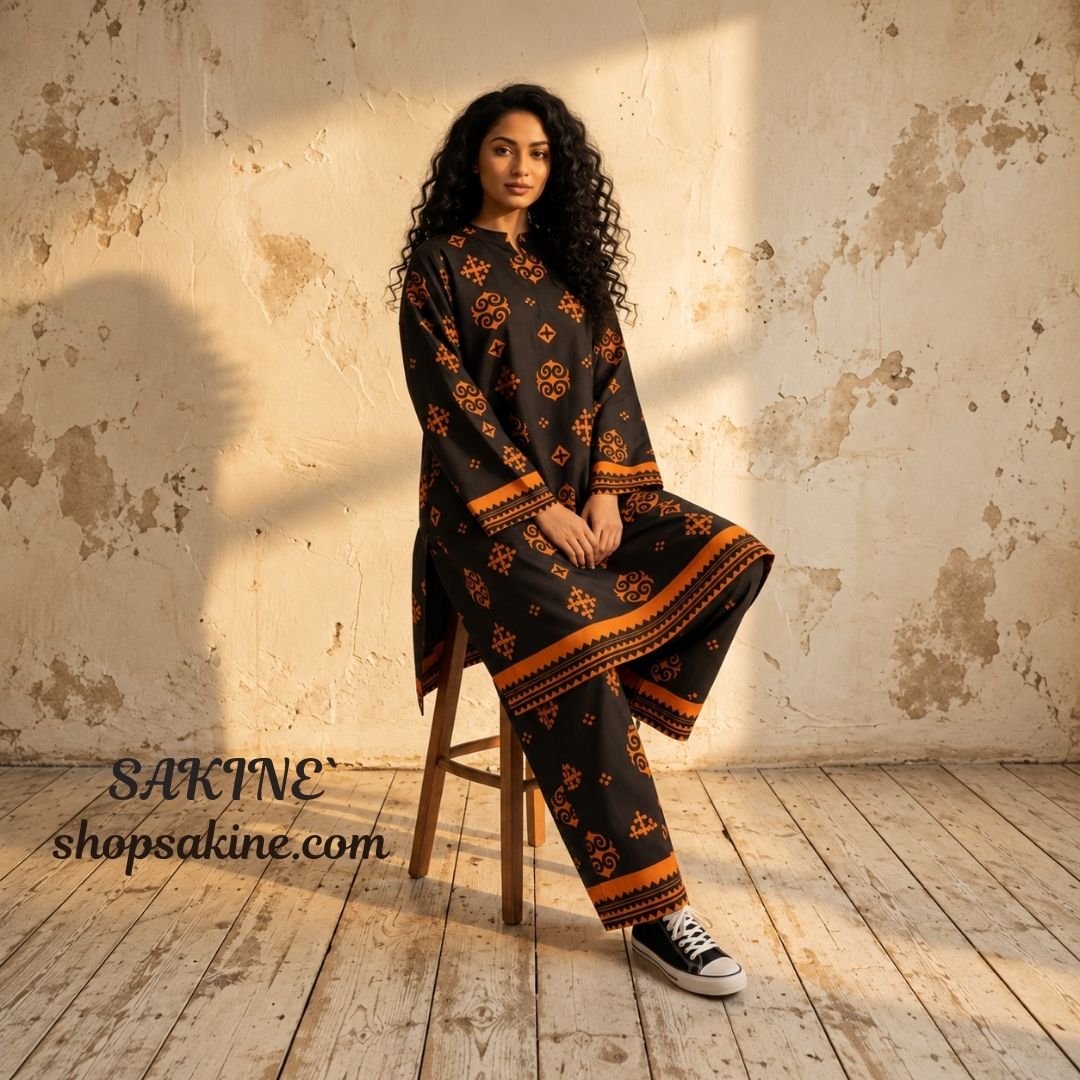
Sindhi dressing is closely associated with ajrak, whose geometric patterns and rich shades of indigo, red, black, and white are widely recognised. Worn as a shawl, dupatta, or incorporated into contemporary garments, ajrak carries cultural meaning as well as visual beauty.
Embroidery and mirror work also feature in many Sindhi textile traditions. These details can transform a shirt, neckline, or dupatta into a striking expression of craftsmanship.
Men often wear shalwar kameez with an ajrak and Sindhi cap, particularly at cultural gatherings and celebrations.
Across Sindh, clothing reflects both local traditions and changing urban lifestyles, with considerable variety between communities.
Khyber Pakhtunkhwa: Graceful Shapes and Distinctive Details
Traditional dressing in Khyber Pakhtunkhwa includes loose silhouettes, layered garments, and decorative details that vary across its communities.
Women’s clothing may feature embroidered shirts, full skirts or loose trousers, and generously draped dupattas or chadars. Some regional traditions include elaborate embroidery and decorative headwear, especially for celebrations.
Men commonly wear shalwar kameez, often styled with a waistcoat, shawl, or regional head covering. Peshawari chappals are another familiar part of the region’s clothing heritage.
Fabric choices and layers respond to local weather, with warmer garments becoming especially useful in colder areas.
Balochistan: The Beauty of Intricate Needlework
Balochi clothing is particularly admired for its detailed embroidery. Traditional women’s dresses often feature loose, flowing shapes with embroidered panels around the chest, sleeves, and other sections of the garment.
Many Balochi dresses include a distinctive embroidered front pocket, bringing practical use and decoration together.
The colours, stitches, and arrangements differ between communities and makers. This variety gives the clothing its depth and individuality.
Men’s traditional clothing commonly includes loose shalwar kameez, sometimes accompanied by a turban or waistcoat. The overall style combines generous proportions with a strong regional identity.
Gilgit-Baltistan: Clothing Shaped by Mountain Life
In Gilgit-Baltistan, clothing reflects the needs of mountain climates alongside the traditions of its different communities.
Woollen garments, warm shawls, and regional caps are familiar elements. Women’s traditional outfits may include embroidered dresses and distinctive headwear, while festive clothing often brings additional colour and ornament.
There is considerable variation across the region. Different valleys and communities preserve their own details, reminding us that even within one region, Pakistani dress has many identities.
Azad Jammu and Kashmir: Warmth, Layers, and Fine Detail
Clothing in Azad Jammu and Kashmir includes shalwar kameez, shawls, and layered garments suited to changing temperatures.
Kashmiri textile traditions are associated with fine embroidery and decorative shawls. The pheran, a loose outer garment associated with the wider Kashmir region, is another recognisable expression of its clothing heritage.
These styles show how clothing can offer warmth and practicality while remaining graceful and decorative.
Pakistan’s Cities: Where Regional Styles Meet
In Karachi, Lahore, Islamabad, Peshawar, Quetta, and other cities, regional influences meet every day.
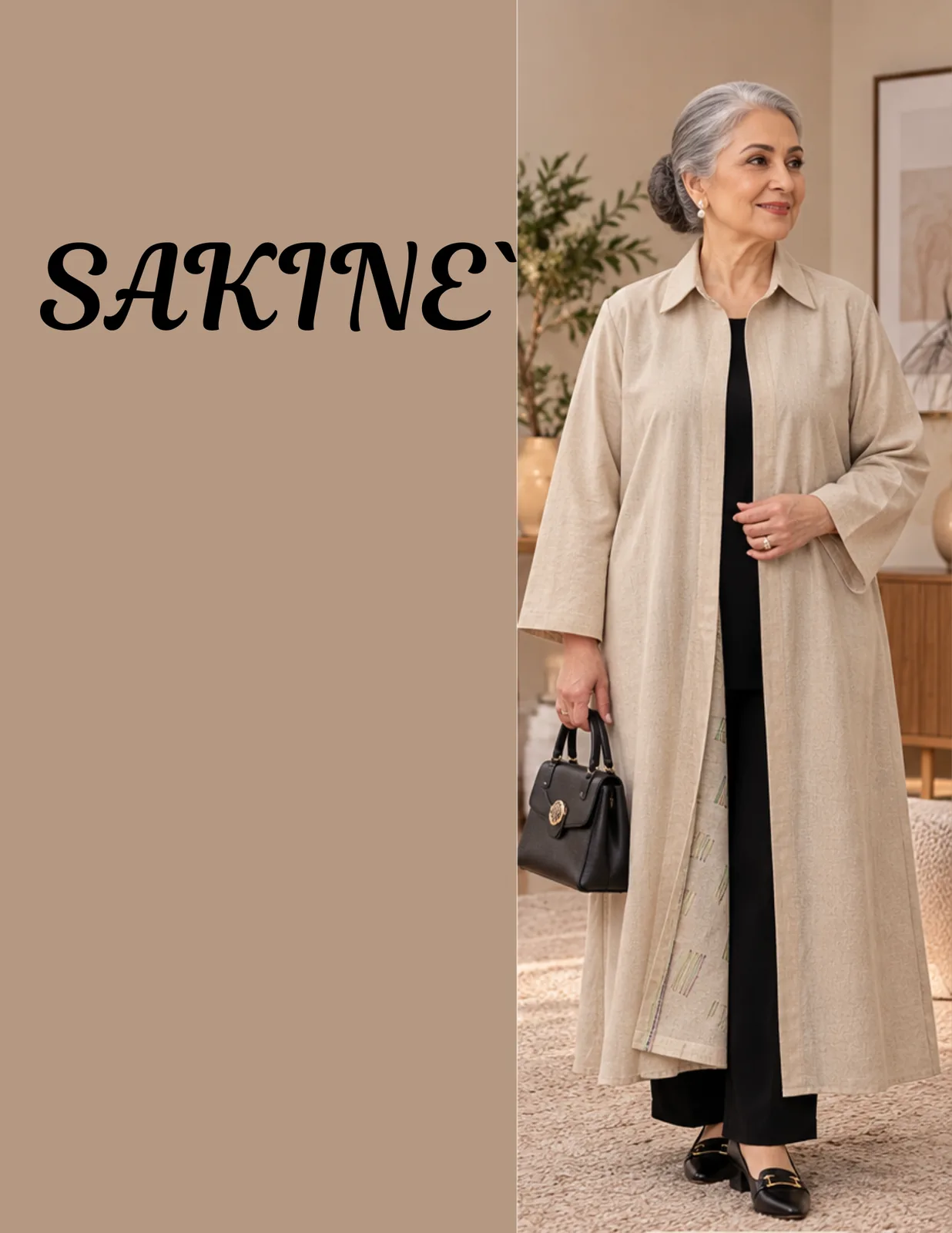
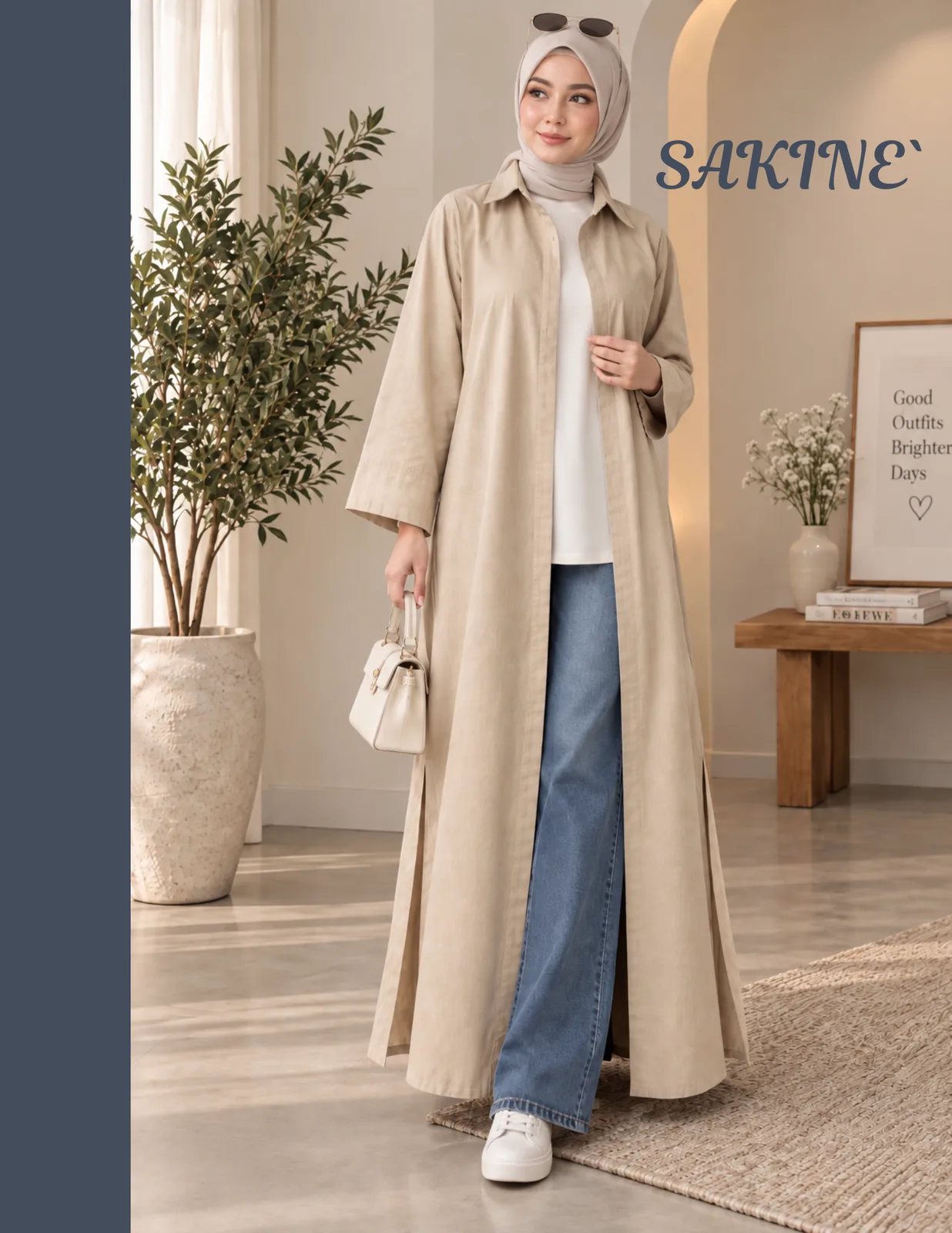
A woman might wear an ajrak dupatta with a plain kurta, choose an embroidered waistcoat over a modern outfit, or pair traditional jewellery with matching separates. Long gowns, straight trousers, co-ord sets, and contemporary cuts sit alongside established regional styles.
People’s wardrobes are shaped by their work, age, preferences, family traditions, and daily routines. No single outfit represents every person from a province or community.
Celebrating Diversity Through Sakiné
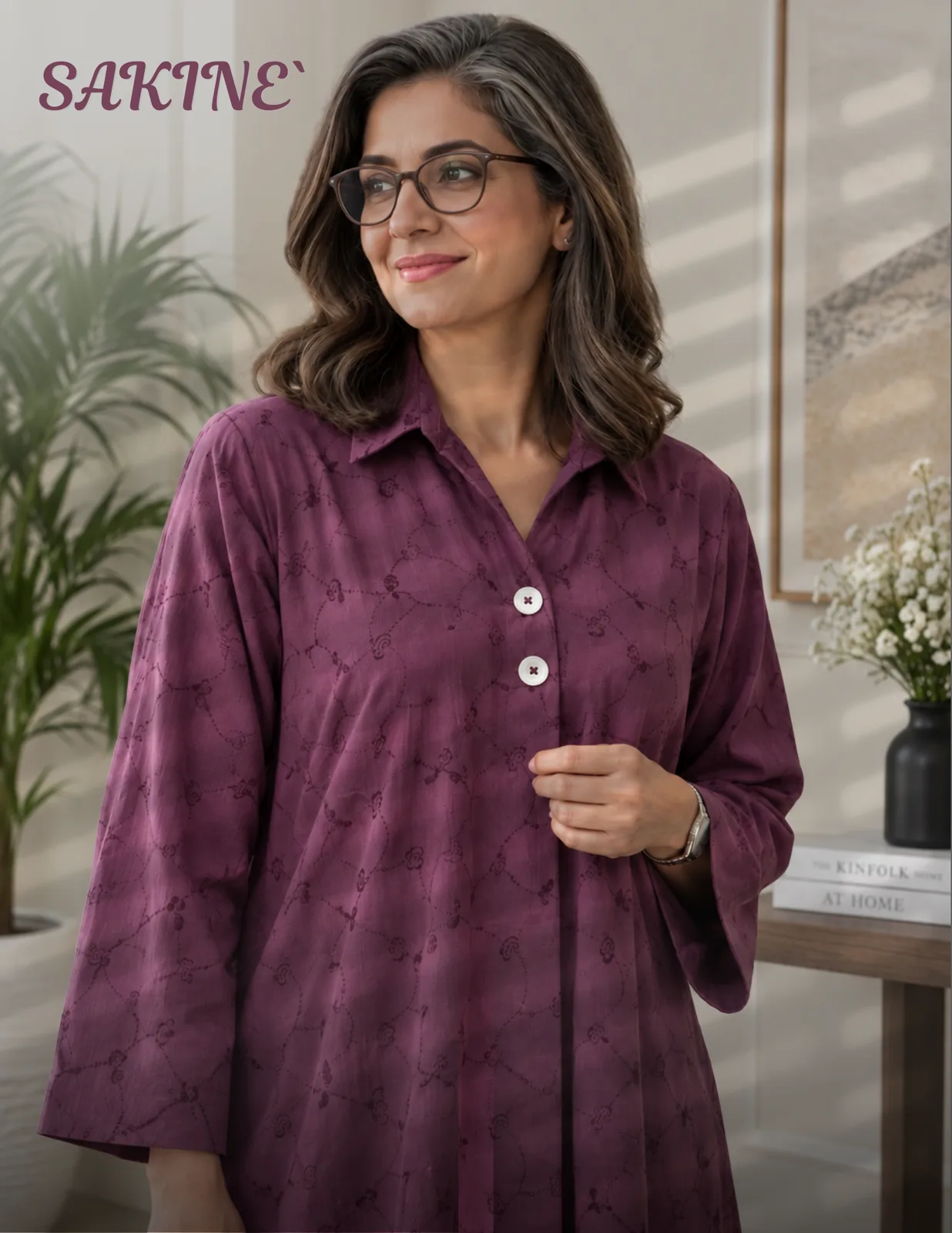
At Sakiné, we celebrate the individuality that makes dressing meaningful. Some women enjoy vibrant prints, while others prefer soft colours, flowing gowns, or simple coordinated outfits.
Respecting these preferences creates room for women to express themselves with confidence. Appreciating regional fashion also means recognising the craftspeople and communities behind its distinctive techniques.
“Every region adds its own colour; together, they create the beauty of Pakistan.”
Explore styles for your everyday moments and special occasions at Sakiné.
Sakiné — Comfortably Charming.
Visit: https://shopsakine.com
#Sakine #SakineWomen #ShopSakine #ComfortablyCharming #PakistaniFashion #RegionalFashion #TraditionalWear #CulturalDiversity #PakistaniCulture #TextileHeritage #PunjabiFashion #SindhiCulture #Ajrak #BalochiEmbroidery #PashtunCulture #GilgitBaltistan #KashmiriStyle #EasternWear #ModestFashion #CelebrateIndividuality

 09Oct
 by